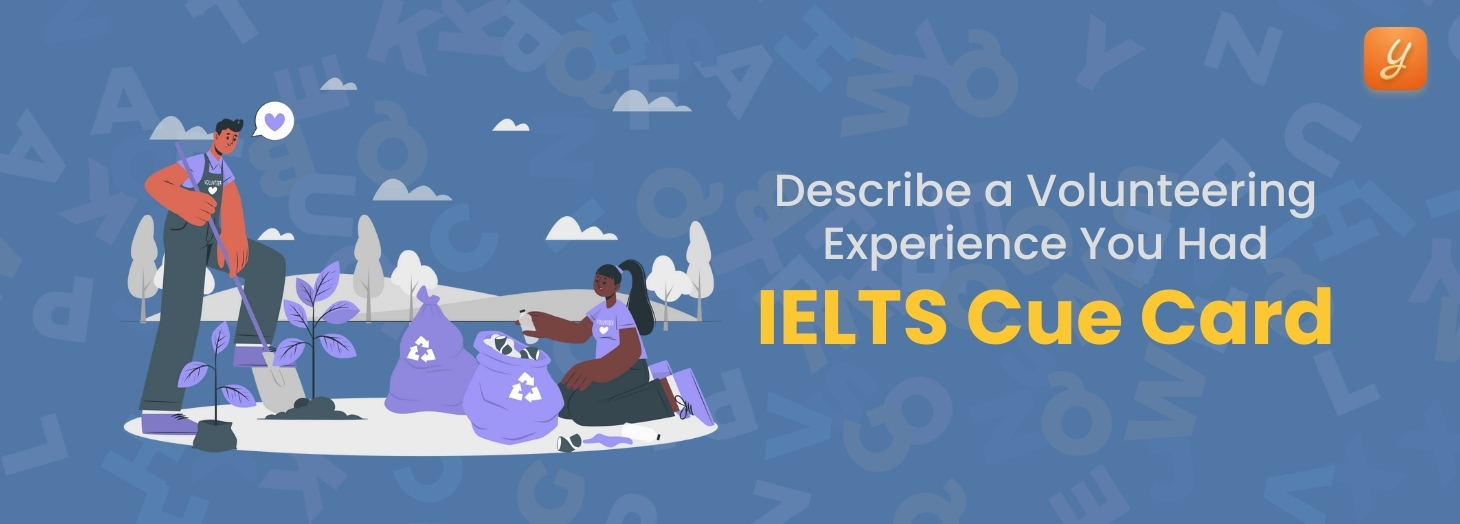
Engaging in community service and helping others through volunteering is an effective way to build connections, foster social progress, and achieve personal growth. Volunteering aids those in need while offering individuals a chance to apply their vital skills and knowledge, thereby enriching their lives and professional journeys. Accurately communicating these experiences, particularly in contexts like the Describe a Volunteering Experience You Have Had - IELTS Cue Card, highlights a person's capability to converse in English about personal and meaningful adventures.
Such narratives highlight linguistic proficiency, personal depth, and awareness of worldwide concerns. Sharing these stories with students aspiring to study abroad can prove very advantageous. Ashiraj, an organization supporting students throughout their international educational path, acknowledges the value of these experiences by supplying a network and resources to utilize volunteering as a gateway to global opportunities.
What is IELTS?
IELTS stands for International English Language Testing System. It is a standardised exam used to determine the English language competency of non-native English speakers. The IELTS test assesses an individual's ability to listen, read, write, and communicate in English. Universities, companies, and immigration officials worldwide see it as a trustworthy indicator of English language ability. If you need specialist assistance with your IELTS preparation, visit the Ashiraj website. There, you will receive expert advice on your IELTS preparation.
What is an IELTS Cue Card?
The speaking component of the IELTS exam consists of an IELTS Cue Card with questions designed to assess a candidate's ability to talk fluently and confidently. You must create a subject or prompt for this section of the test. It can be a question or a statement, such as the Volunteering Experience cue card, and you must speak about it for around 2-3 minutes. While the Cue Card often provides a summary or set of instructions relevant to the topic, it also acts as a starting point for the applicant.
The duration of the IELTS Speaking Cue Card is as follows:
|
Total Duration |
3-4 minutes |
|
Preparation Time |
1 minute |
|
Speaking Time |
2-3 minutes |
In the allocation of 1 minute to the preparation period, the candidate can make short notes to put their ideas and thoughts in order. Then, they will be instructed to speak for two to three minutes straight, depending on the topic, and the information on the cue card will serve as a guide.
Why Are IELTS Cue Cards Important?
IELTS Cue Cards are an essential part of the Speaking segment of the IELTS exam since they provide a unique method for assessing a candidate's spoken English abilities in an organised yet flexible manner. These cue cards challenge test takers to talk for 1-2 minutes on a given topic, assessing their ability to arrange thoughts, display fluency, and use a diverse range of grammatical and vocabulary terms without the use of external stimuli. This portion is critical because it reflects real-life circumstances in which people must spontaneously express themselves and share experiences or thoughts.
The value of IELTS Cue Cards goes beyond testing; they educate people about the practical needs of speaking in English, whether in educational environments, professional situations, or social encounters. Through this practice, applicants demonstrate both language competency and analytical skills and personal experiences, providing a comprehensive picture of their communication abilities.
Suggested: Difference Between IELTS vs GMAT
Sample Answer 1: Describe a Volunteering Experience You Have Had
Introduction
Volunteering at a local animal rescue stands out as one of the most heartwarming and transformative adventures I have ever undertaken. This initiative, centered on caring for and sheltering abandoned dogs, has profoundly shaped my outlook on empathy and philanthropic work.
How did you come to volunteer at an animal shelter?
My journey into volunteer work began with a visit to the shelter, where I directly observed the impact of abuse and abandonment on these animals. The resilience displayed by the dogs and cats, combined with the dedication of the existing volunteers, inspired a deep commitment in me to help. Moved by the creatures' urgent need for support, I wanted to assist them on their path toward recovery and loving homes.
How has this experience influenced your perspective or plans?
This volunteering involvement has substantially redirected my academic interests and career trajectory. Initially uncertain about my professional direction, my time at the shelter ignited a passion for veterinary research. Witnessing the medical care given to the animals and the tangible difference it made in their lives encouraged me to pursue a veterinary medicine degree with a concentration on rescue animal rehabilitation.
What aspects of volunteering at the animal shelter were most impactful?
The most significant aspect was the process of socializing previously mistreated animals. It was deeply rewarding to witness them evolve, through care and patience, from fearful and distrustful to affectionate and friendly. This highlighted the importance of empathy, patience, and the profound effect of kindness. Additionally, the collaborative spirit of the shelter, where volunteers from diverse backgrounds united for a common purpose, illustrated the strength of teamwork.
Conclusion
My eye-opening time volunteering at the animal shelter has taught me a great deal about empathy, responsibility, and community power. It has shaped my personal development as well as my academic and career objectives. The joy of seeing an animal you have nurtured find a permanent home is indescribable, and the journey has instilled in me a lifelong commitment to animal conservation and welfare. Throughout this path, I have learned that simple acts of kindness can create ripples of positive transformation, a principle I intend to apply to every area of my life.
Sample Answer 2: Describe a Volunteering Experience You Have Had
Introduction
One of the most transformative periods in my life occurred after I offered my assistance to an adult literacy program that taught reading and writing skills. This campaign, focused on empowering communities through education, has given me a deep appreciation for the necessity of literacy and the opportunities it creates for personal and societal advancement.
What led you to this specific volunteer opportunity?
My drive came from watching a close family member struggle with limited reading and writing capabilities. This personal connection made me understand how many people face similar situations and what societal hurdles they encounter. My motivation stemmed from a wish to meaningfully impact lives by helping them acquire a skill essential for modern survival yet frequently taken for granted.
How has this experience influenced your plans?
My volunteer work profoundly shaped my academic interests and career path related to the literacy initiative. The vital importance of education and social justice became evident, motivating me to pursue an education degree focused on adult learning and literacy. This path has opened doors to build programs that bridge educational divides and foster lifelong learning. My goal is to contribute to policies that guarantee equal educational access for individuals of all ages and backgrounds.
What was the most satisfying component of your volunteer experience?
The most rewarding part was watching the students achieve noticeable progress. Seeing someone read an entire sentence or sign their name was an emotional moment for both of us. These milestones demonstrated their expanding literacy skills alongside their growing confidence and independence. Additionally, the connections I built with learners and the strong sense of fellowship among volunteers were deeply fulfilling, reminding me of the teamwork required to address complex social problems.
Conclusion
My time volunteering with the adult literacy program was life-altering; it instilled in me a firm belief in universal education and its beneficial impact on both individuals and society. It has guided my academic choices, professional ambitions, and personal values, reinforcing my dedication to educational equity. The lessons learned and relationships built during this period have been invaluable, driving my desire to help build a future where education is accessible to everyone, regardless of their starting point. This journey has reinforced the notion that education remains one of the most powerful tools for change available to us.
Suggested: IELTS Speaking Topics Part 1, 2 & 3
Sample Answer 3: Describe a Volunteering Experience You Have Had
Introduction
One of the most enlightening and humbling volunteer experiences I have had involved helping out at an inner-city soup kitchen. Our task of providing hot meals to the homeless and disadvantaged gave us a close-up look at the struggles faced by people in our community.
What led you to volunteer at the soup kitchen?
I was inspired to act by the stark contrast between my daily routine and the hardships experienced by homeless individuals in my neighborhood. After joining a community service day at the local food pantry organized by my school, I witnessed the immediate difference a meal can make in someone's day. This exposure introduced me to the realities of hunger and motivated me to become a regular volunteer, eager to help reduce food insecurity in my town.
How has this experience influenced your opinions and plans?
Working at a soup kitchen has deeply affected my outlook and career goals. It has planted a strong desire to enter social work and highlighted the importance of meeting basic human needs before tackling other societal issues. This experience has led me to pursue a degree in social services so I can design and implement large-scale projects aimed at reducing homelessness and hunger.
What components of helping at the soup kitchen were the most beneficial?
The conversations with the visitors who came in for lunch were the most meaningful part of the volunteer program. Hearing their stories of struggle and resilience was simultaneously heartbreaking and uplifting. It highlighted the complex network of factors leading to homelessness and made me realize the necessity of compassion and community support. Furthermore, the seamless teamwork of volunteers preparing and serving meals showcased the strength of community and the difference we can achieve when uniting for a common purpose.
Conclusion
My time volunteering at the soup kitchen marked a turning point in my life, offering priceless insights into the difficulties faced by society's most vulnerable and the transformative potential of volunteering. It has shaped my personal and professional aspirations, guiding me toward a career in social change and activism. This event cemented my belief in empathy and community involvement when tackling social challenges. It demonstrated that while we cannot change the world overnight, we can profoundly affect an individual's life through small acts of dedication and compassion.
Sample Answer 4: Describe a Volunteering Experience You Have Had
Introduction
One of my most rewarding and transformative journeys involved heading abroad to teach English in an isolated village. This program, designed to enhance learning prospects for children in underprivileged areas, not only enabled me to make a constructive contribution to society, but also fostered deep personal growth and cross-cultural awareness.
What inspired you to sign up for this educational initiative?
My passion for language and a firm conviction in education as an instrument for change served as my driving force. After attending a seminar on the power of education in driving community development, I felt a strong urge to apply my skills constructively. Instructing English in an environment that could unlock future opportunities for the students felt like the perfect chance to create a meaningful impact.
In what ways has your time as a volunteer shaped your life and future goals?
This encounter has left a lasting mark on my professional and personal aspirations. Living within a new culture while teaching proved both demanding and rewarding, motivating me to pursue a vocation in international educational development. It has instilled in me a deep commitment to championing global educational equality, encouraging me to advance my studies in this field and explore methods to guarantee that all children worldwide can obtain quality education.
What was the most fulfilling aspect of your volunteer journey?
The most gratifying part was observing the progress and enthusiasm of the learners. It was wonderful to watch their language proficiency and self-assurance grow. Furthermore, the relationships built with local residents were invaluable. It proved eye-opening to understand their life stories, share cultural traditions, and realize that parents share identical dreams for their children's futures. It highlighted the significance of education in bridging cultural divides and building connections.
Conclusion
The experience of volunteering to teach English in a distant overseas community proved immensely impactful, as it broadened my horizons and deepened my dedication to educational advocacy. It pushed me beyond my comfort zone, demonstrated the value of cultural exchange, and reinforced my belief in the transformative power of learning. This journey has not only defined my career path but also expanded my perspective, teaching me that we often act as students while trying to teach others, picking up lessons on resilience, hope, and the shared dream of a brighter tomorrow.
IELTS Speaking Part 3: Volunteering Experience Cue Card Follow-up Questions
Q1. In what ways does volunteering benefit both individuals and local communities?
Volunteering offers numerous advantages for both people and neighborhoods. On an individual level, it promotes personal development, skill building, and stronger interpersonal bonds. Volunteers often feel a sense of fulfillment and joy from improving the lives of others. It helps communities by encouraging social cohesion, building friendships, and tackling local needs and challenges.
Q2. Do you think there are any challenges associated with volunteering?
While charitable work is frequently rewarding, it can present certain hurdles. Finding adequate time to volunteer is a common challenge, especially for individuals with busy schedules or heavy responsibilities. Participants may also face difficulties concerning transportation and the availability of resources.
Q3. What traits, in your view, define an effective volunteer?
Successful volunteers possess a range of qualities that allow them to contribute meaningfully to their chosen cause. These include genuine intentions to help others, empathy, and compassion. Volunteers must also remain flexible and adaptable, as they frequently encounter unexpected situations or changing circumstances.
Q4. How do you think volunteering can shape a person's worldview?
Community service can broaden and deepen one's understanding of social issues and diverse populations. Participants gain insight into the complexities of social problems like poverty, injustice, and bias by interacting directly with individuals from all walks of life and witnessing their struggles firsthand.
Q5. What part do volunteers play in addressing societal problems such as homelessness, poverty, and environmental damage?
Volunteers fulfill a vital function in tackling social issues by delivering direct aid, advocating for reform, and raising awareness about systemic problems. They assist with food distribution, shelter provision, and environmental conservation, leading to positive societal outcomes.
Q6. How can volunteering support an individual's career and personal growth?
Giving one's time encourages personal advancement and skill acquisition while instilling a sense of purpose and belonging. It opens doors for networking, skill enhancement, and career exploration, all of which contribute to overall personal and professional development.
Q7. Do you believe there are any social or ethical considerations that volunteers must keep in mind during their service?
Volunteers should respect cultural norms, protect privacy, and honor the dignity and independence of the people they support. Collaborating with local communities and organizations ensures cultural appropriateness and ethical conduct, resulting in lasting and impactful volunteer efforts.
Q8. What impact does volunteering have on building stronger communities and creating social bonds?
Volunteering assists communities by bringing people together around common objectives and fostering trust and cooperation. It enhances social interaction, encourages partnerships, and heals divisions, ultimately promoting unity and resilience.
Q9. What are some effective strategies for volunteers to address problems like poverty and inequality within their communities?
Volunteers can actively fight against poverty and inequality by backing initiatives that offer resources, education, and financial opportunities. They can advocate for legislative changes, raise consciousness, and empower vulnerable populations, which leads to lasting transformation and social equity.
Q10. Are some sort of volunteer activities more important or beneficial than others?
Although every form of volunteering holds value, certain categories yield a more direct and visible impact, such as delivering critical resources like meals or reading education. Still, the true worth of volunteer work depends heavily on how closely it matches community requirements and the dedication of the participants.
Suggested: IELTS Academic vs IELTS General Exam
Tips to Answer IELTS Cue Card
Here are some of the tips to answer the IELTS Cue Card:
- Practice speaking more smoothly and consistently, paying close attention to your pronunciation and rhythm.
- Expand your vocabulary by reading and jotting down terms to help your speech be more descriptive.
- Take a few practice speaking exams and record yourself. Review to discover opportunities for improvement.
- When posing a question, maintain composure. Ask the examiner for a more detailed explanation if you need more clarification.
- In your response, use phrases to demonstrate your linguistic proficiency.
- Use language when appropriate. Make sure it's part of your answer and flows organically.
- Create a logical introduction, body, and conclusion to make your response appear well-structured.
- Be sure you are ready to explain your answers; assessors might follow up by asking for more.
- Ensure you have energy and confidence while speaking; an impressive attitude can sometimes even persuade the examiner.
- Keep yourself informed about the potential subjects in the IELTS speaking section.
If you still need to sort things out. Are you up against a challenge that requires a professional hand? Contact Ashiraj experts who will be available to walk you through the process.
Conclusion
To summarise, volunteering experience cue cards are an effective instrument to learn about personal growth, building communities, and societal change. Volunteers who engage in meaningful activities help solve social issues and develop empathy, adaptability, and a sense of purpose. Volunteering is integral to our efforts to create a more equal and compassionate world. Platforms like Ashiraj provide essential tools and assistance to those seeking to broaden their perspectives through international education, empowering them to achieve their academic and career goals while making a difference on a global scale. Begin your trip with Ashiraj today and take part in a transforming experience.
|
Read More on IELTS Cue Cards |
|
|---|---|
| Describe Your First Day At School - IELTS Cue Card |
Describe a game you played in your childhood - IELTS |
|
Describe a Person Who you Believe Dresses Well - IELTS Cue Card
|
Describe a Time You Moved to a New Home/School - IELTS Cue Card
|
|
Describe An Activity That You Do After School/Work - IELTS Cue Card
|
Describe A Creative Person you Admire - IELTS Cue Card |
|
Describe a Time When You Observed The Stars - IELTS Cue Card
|
Describe a Time When you Needed to Use your Imagination – IELTS Cue Card
|
|
Describe a Person Who Impressed You in Primary School - IELTS Cue Card
|
Describe a Person Who Wears Unusual Clothes - IELTS Cue Card
|
|
Describe a festival in your country - IELTS |
Describe a Bag you Want to Own - IELTS Cue Card |
Frequently Asked Questions
How can I locate volunteer opportunities that match my interests and skills?
<p>There are multiple ways to discover volunteering roles, such as searching online directories, reaching out to regional charities or civic groups, attending volunteer exhibitions, and browsing social networks dedicated to service. Always consider your interests, skills, and free time when searching for positions that appeal to you.</p>
Are there age limitations on volunteering?
<p>While age requirements differ depending on the agency and the project, countless programs welcome participants of any age group, from children and youth to adults and elders. Certain duties might impose age restrictions or prerequisites for specific tasks, so it is best to verify with the organization directly.</p>
I have a hectic schedule. Can I still volunteer?
<p>Numerous volunteer roles offer adaptable timetables to accommodate busy routines. Consider alternatives involving short-term commitments, online volunteering, as well as weekend and evening shifts. Explore opportunities with organizations that feature remote or task-oriented roles compatible with your availability.</p>
You Might Also Like
Pharmacy (M.Pharm) Abroad: Fees, Top Universities & Job Scope
Pharmacy is the science and technique of preparing and dispensing drugs. The composition of various courses under Pharmacy are related to manufacturing, monitoring, regulating, developing and testing drugs and pharmaceutical and food products.Pharmacy as a Masters course may be done by people who ha
Read ArticleMasters in Industrial Engineering Abroad: Fees, Top Universities & Job Scope
Industrial Engineering is a branch of engineering dealing with the optimization of complex processes or systems. Its underlying concepts overlap considerably with certain business-oriented disciplines such as Operations Management, but the engineering side tends to emphasize extensive mathematical p
Read ArticleMasters in Financial Engineering Abroad: Fees, Top Universities & Job Scope
Financial Engineering is a multidisciplinary field involving financial theory, engineering methods, tools of Mathematics and Programming. It uses mathematical techniques to solve financial problems and is sometimes referred to as quantitative analysis. Also known as Financial Mathematics, Mathematic
Read Article